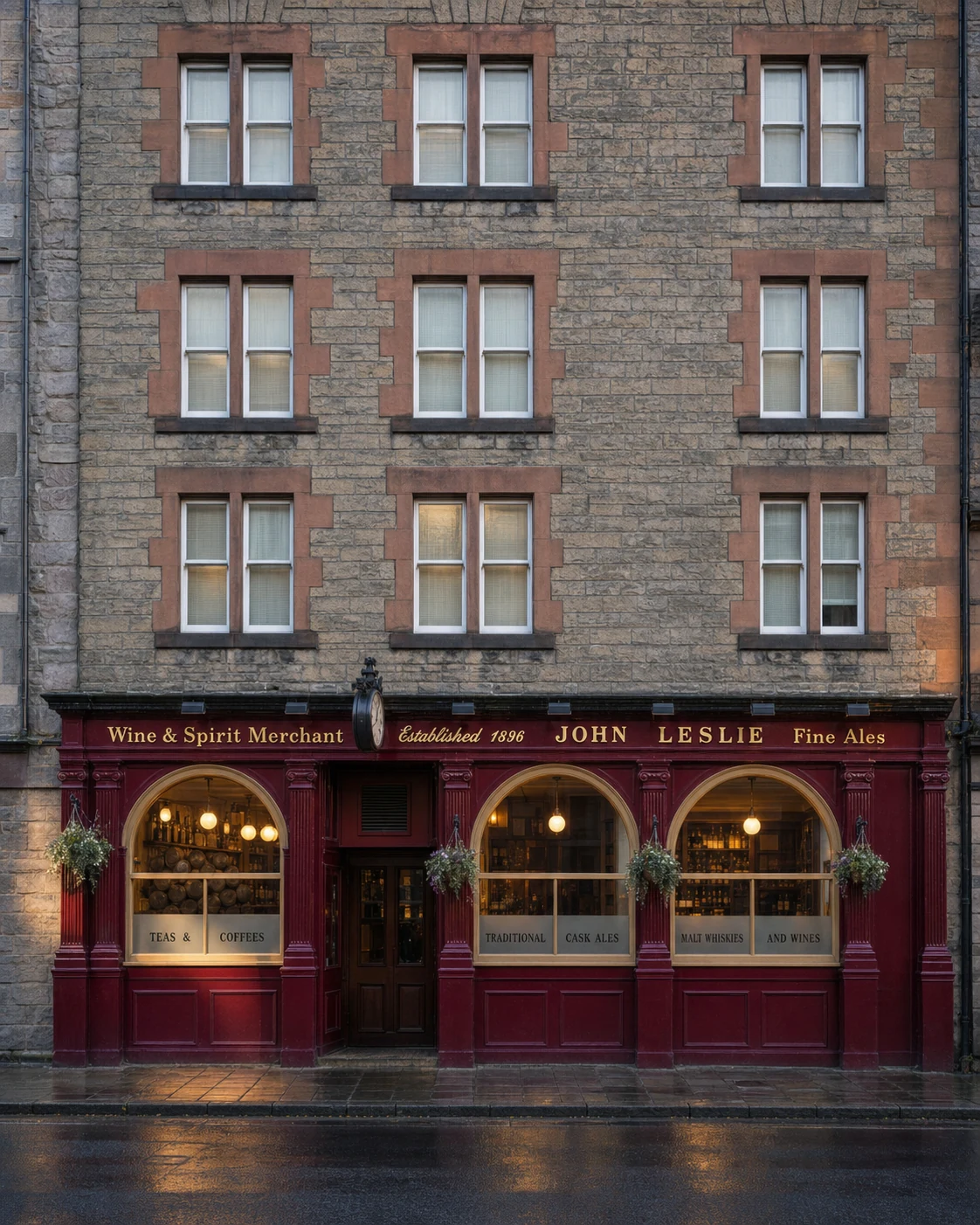
Leslie's Bar
Also known as John Leslie
A Category B listed interior of 1899 built around a long island bar, where leaded glass snob screens and small ticket window hatches let lounge drinkers order without being seen from the public bar.
Explore Edinburgh pubs collected for their heritage interiors and surviving details. Read the researched entries for what to notice, how features are dated and where evidence remains uncertain.
The collection is not a substitute for an official designation. Check the individual sources for any formal heritage claim.
Choose nearest-to-me to compare distances. Location is optional and is requested only when you tap the button.

Also known as John Leslie
A Category B listed interior of 1899 built around a long island bar, where leaded glass snob screens and small ticket window hatches let lounge drinkers order without being seen from the public bar.

Also known as Deacon Brodie’s Tavern
A literary-legend pub with a remarkably intact Old Town façade, where Stevenson’s Brodie connection needs a careful telling.

A tiny, one-star heritage pub where unamplified folk sessions set the pace.

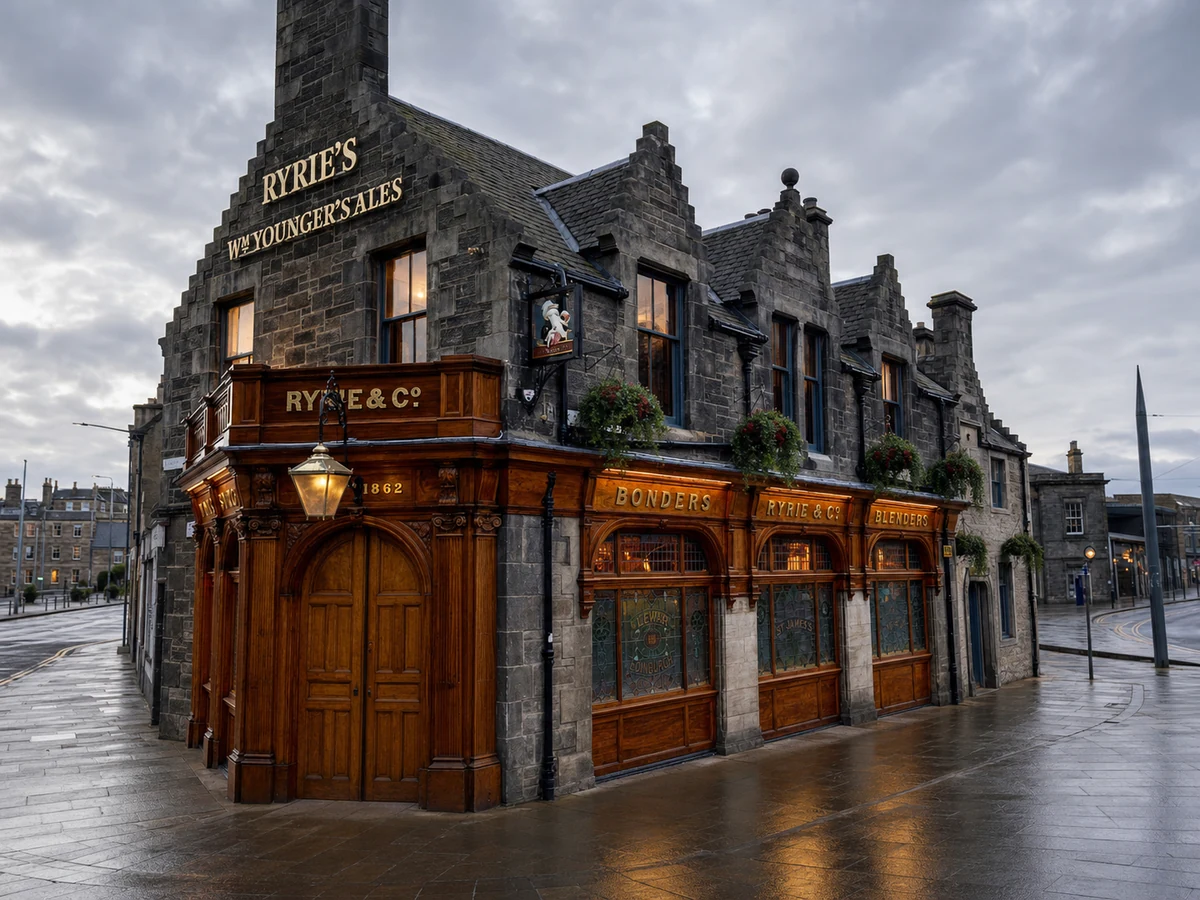
Also known as Ryrie's Bar
An Edwardian Haymarket public house with teak frontage, stained glass and a remarkable documented timeline.

A listed, multi-level Grassmarket pub with a big rear garden and Castle-facing setting.

An Edinburgh pub where etched glass, numbered drinking traps and a tiny jug bar still explain how a compartmented local once worked.

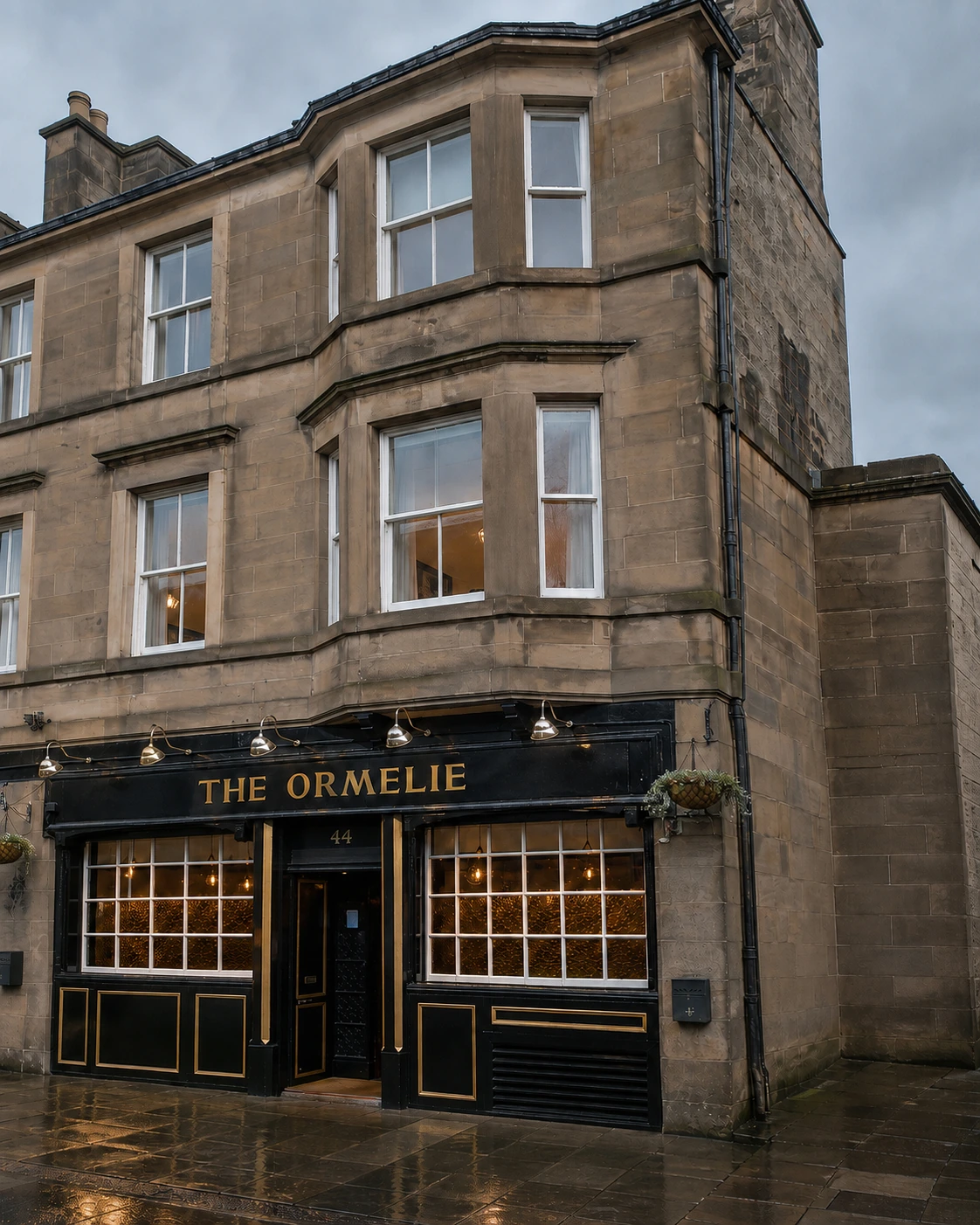
Also known as The Ormelie Tavern
A Joppa tenement pub with a carved gantry, two surviving snugs and a whisky-lined bar. Its former licensee also figures in a milestone for women in Edinburgh’s licensed trade.

Also known as The Abbotsford
At 3-5 Rose Street, a 1902 Henderson pub preserves a mahogany island servery beneath a compartmented Jacobean Revival ceiling.

Also known as The Diggers
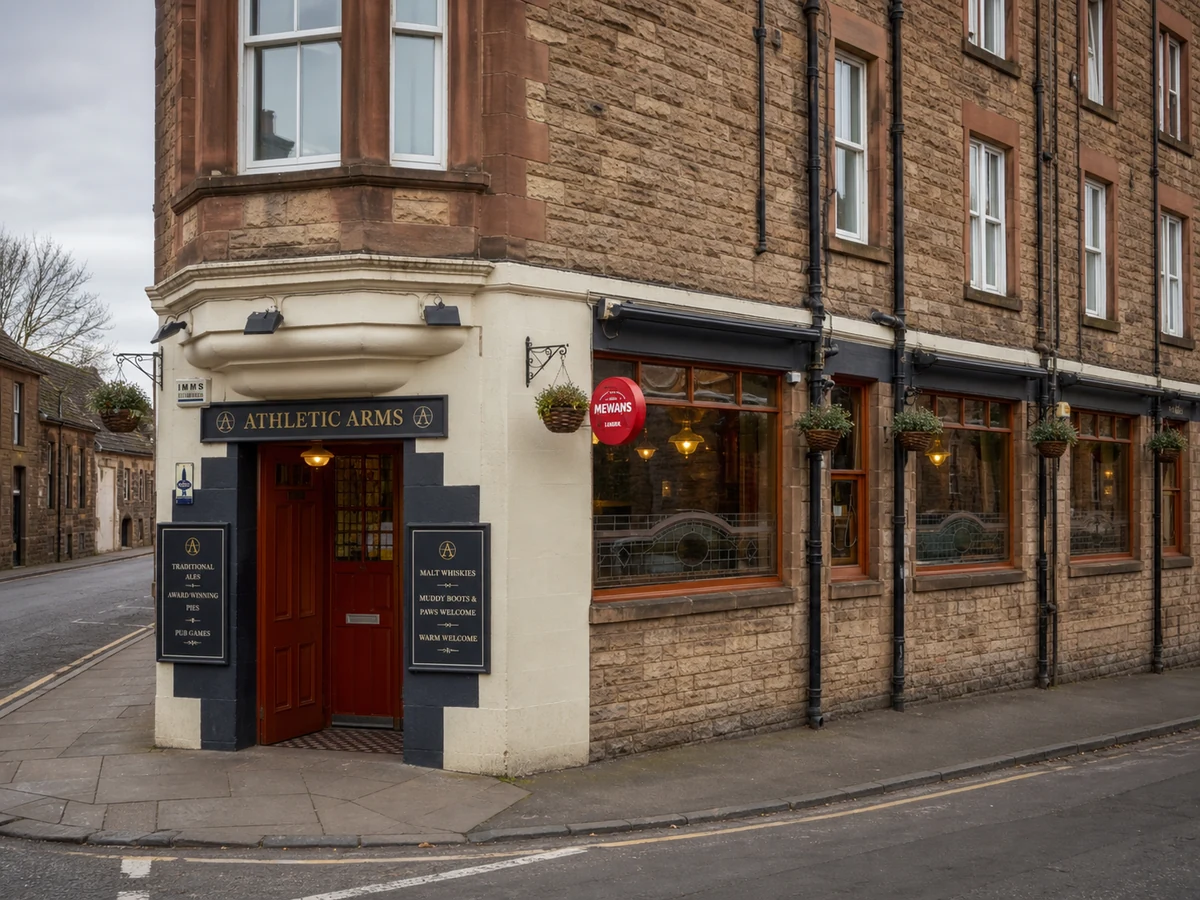
Opened in 1897 between two cemeteries, the Athletic Arms earned its Diggers nickname and still preserves a nationally important, if altered, traditional pub interior.

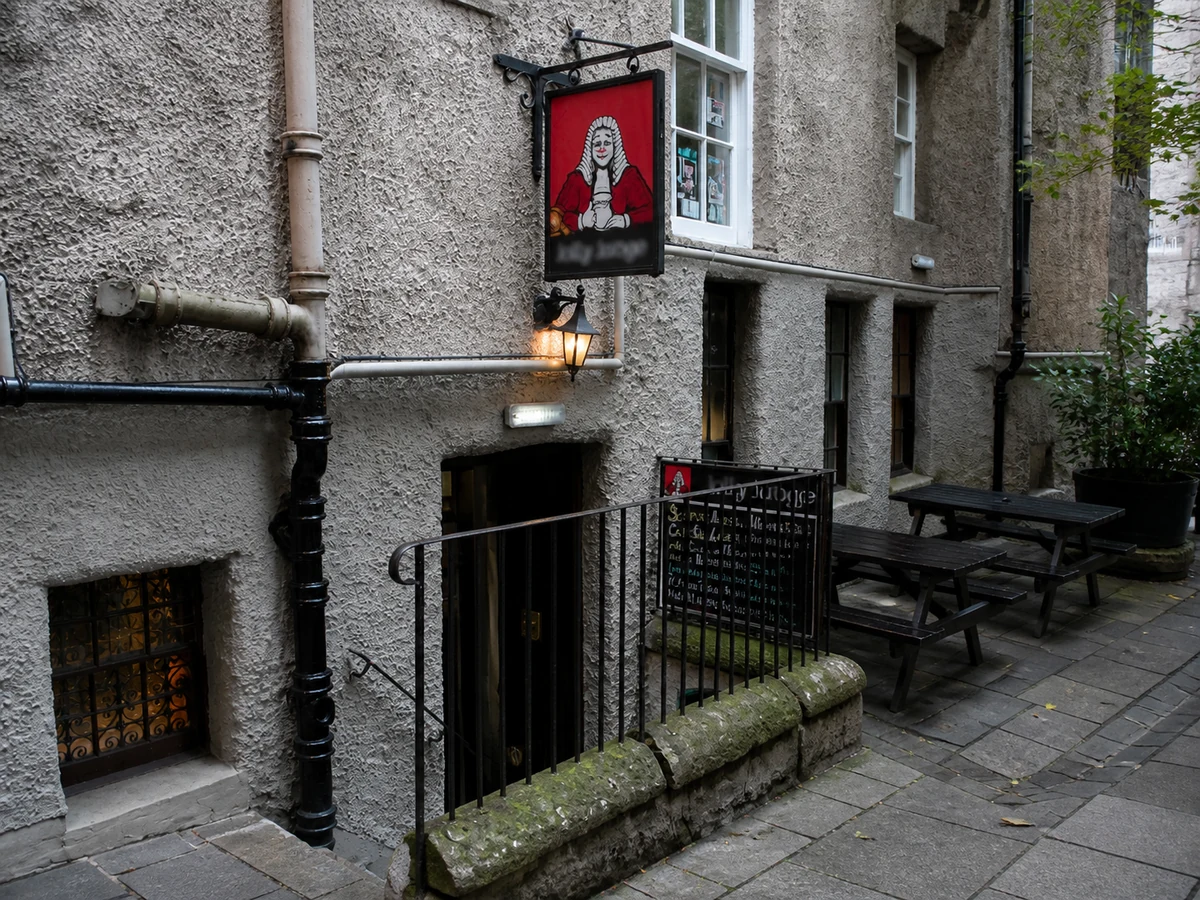
Hidden below James Court, this independent basement bar pairs a low-ceilinged Old Town setting with a documented social connection to Edinburgh’s legal profession.

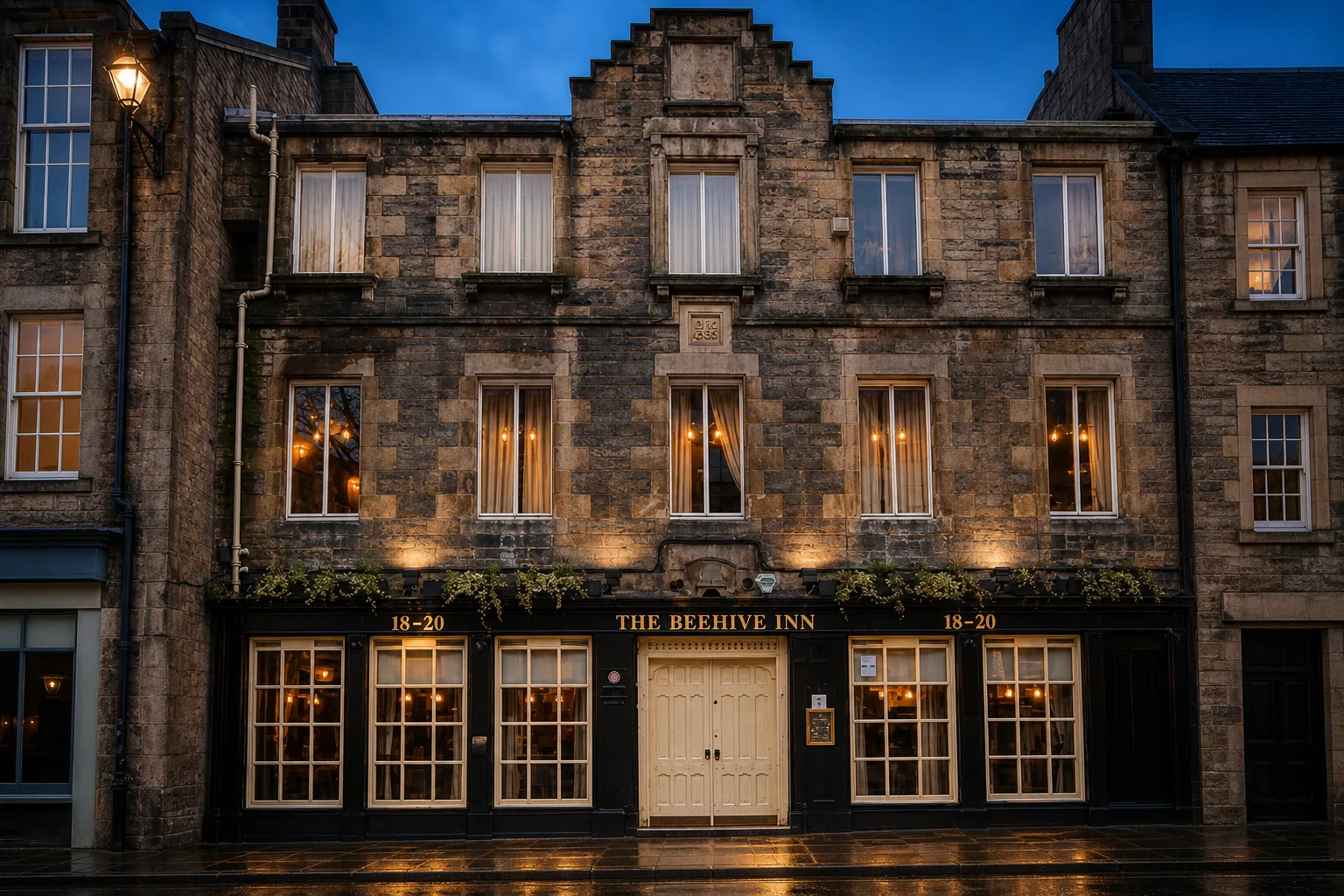
A layered traditional bar below an upstairs restaurant, whose claim to eighteenth-century operation remains a pub claim rather than a verified chronology.

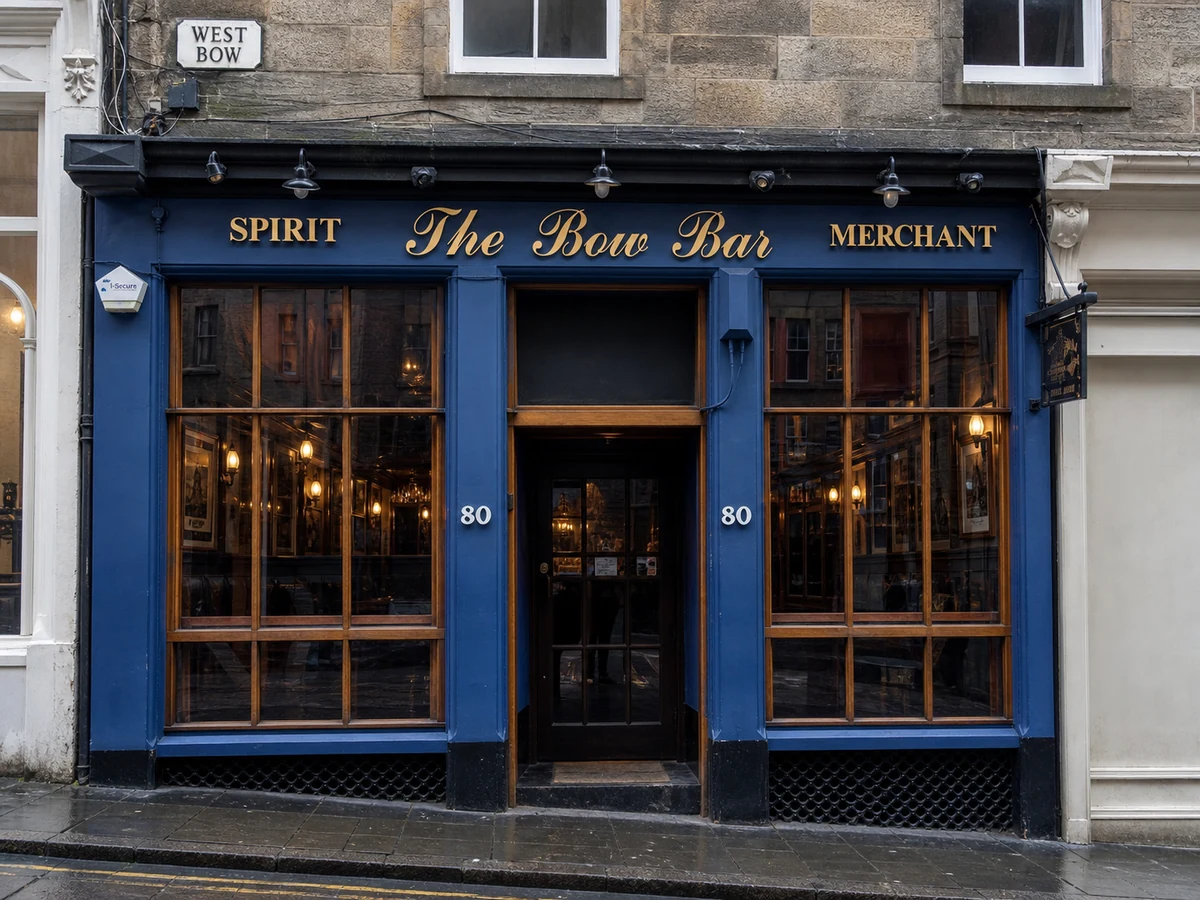
A masterful one-room Scottish alehouse recreation: the premises became a pub in the 1960s and the present Bow Bar dates from 1987.

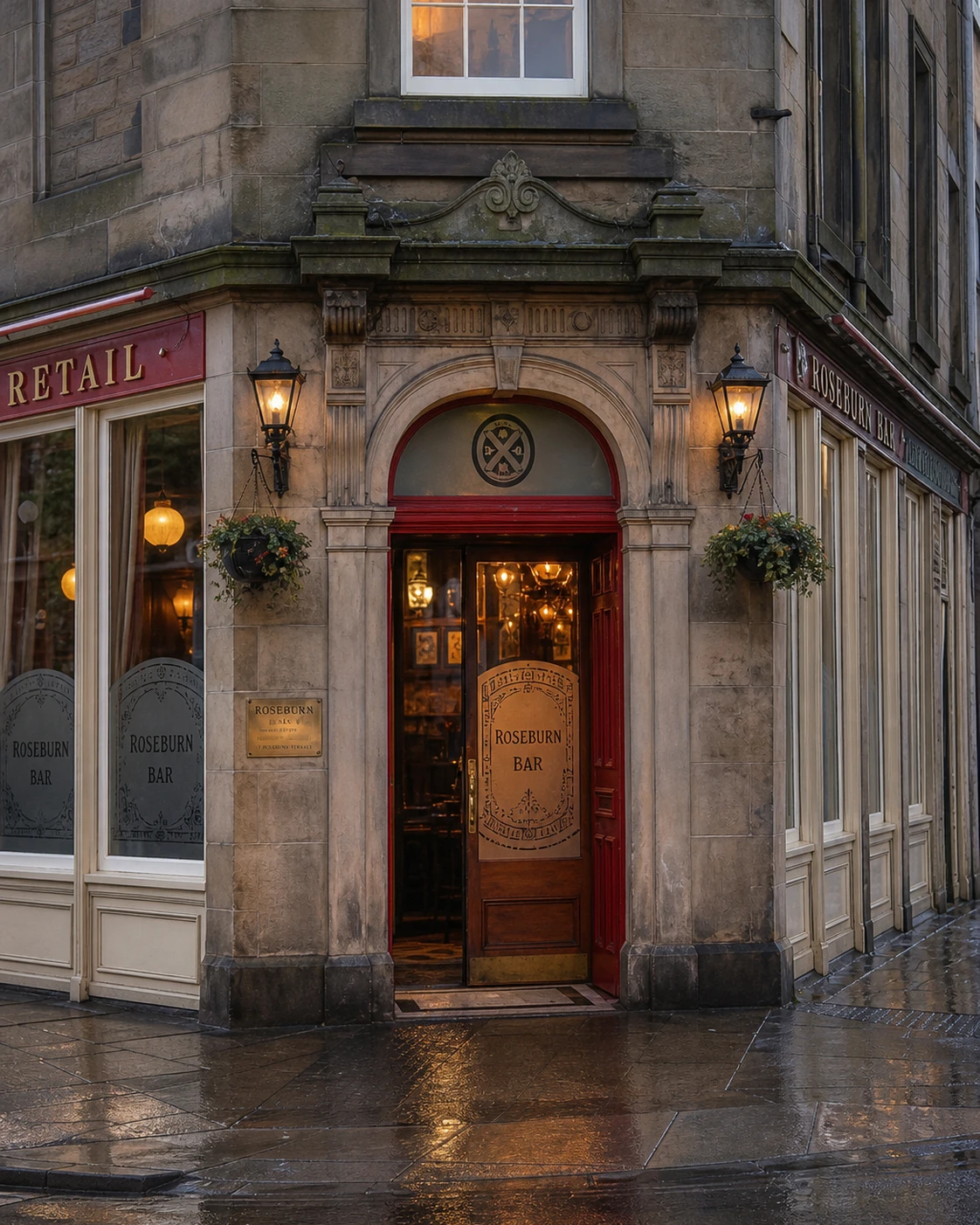
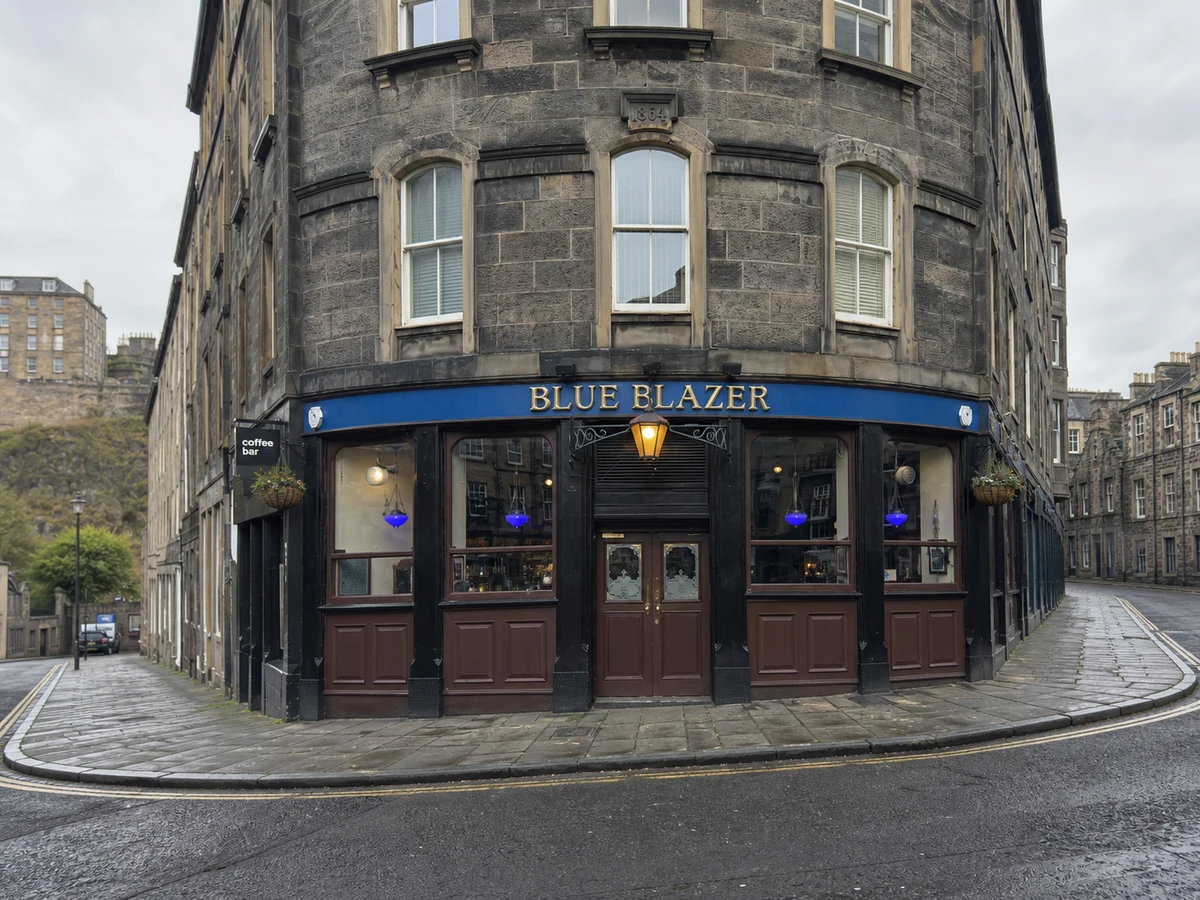
An 1864 listed corner building containing an 1889 floor mosaic, old brewery glass and Aitken founts renovated in 2025. Each a different historical layer.

A compact traditional bar at the heart of Edinburgh folk music, with frequent informal sessions and a modern folk identity traced to 1978.

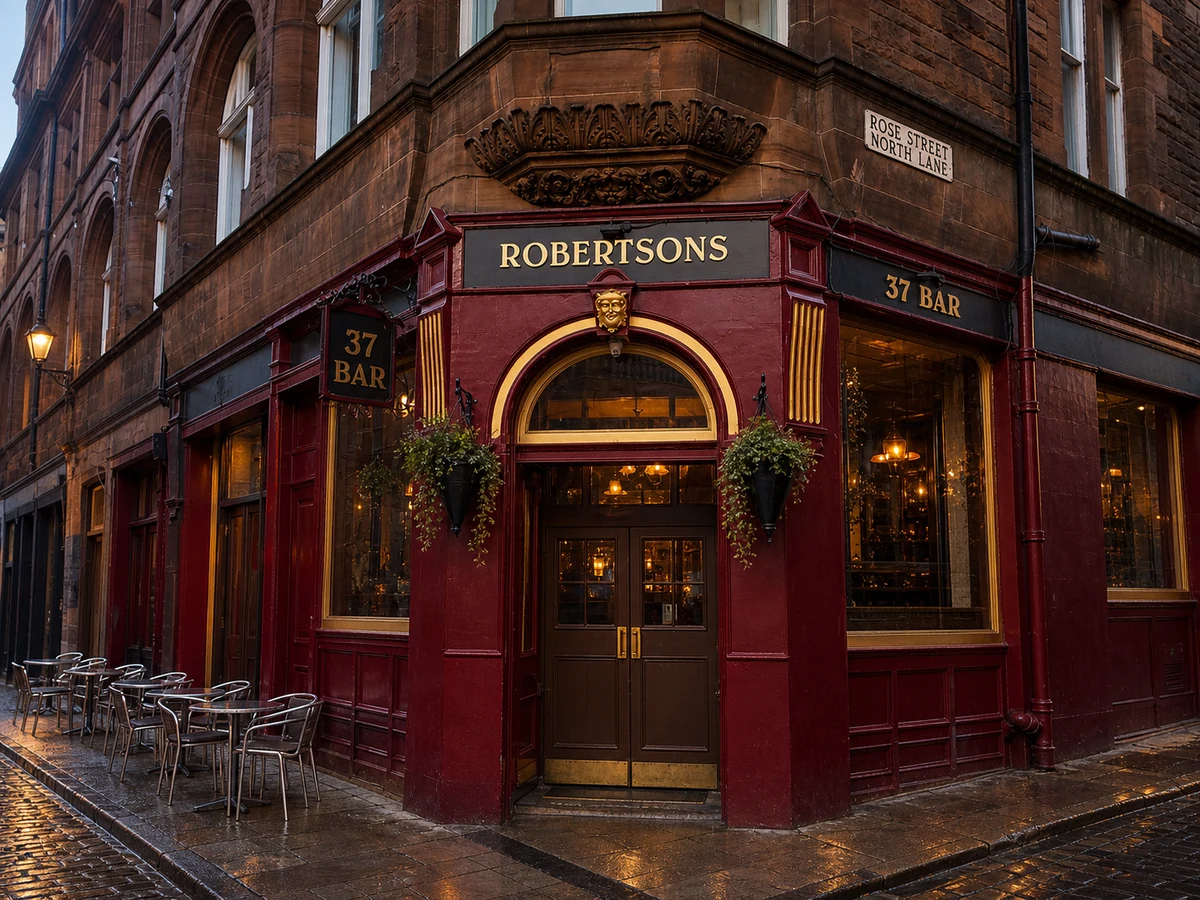
Also known as Robertson’s
A compact malt-and-cask bar built around a richly carved 1898 gantry. One of Rose Street’s real heritage survivors.

Also known as Kenilworth Bar
A Category A-listed Victorian drinking room: carved mahogany, Minton tiles, stained glass and a monumental Drybrough’s mirror.

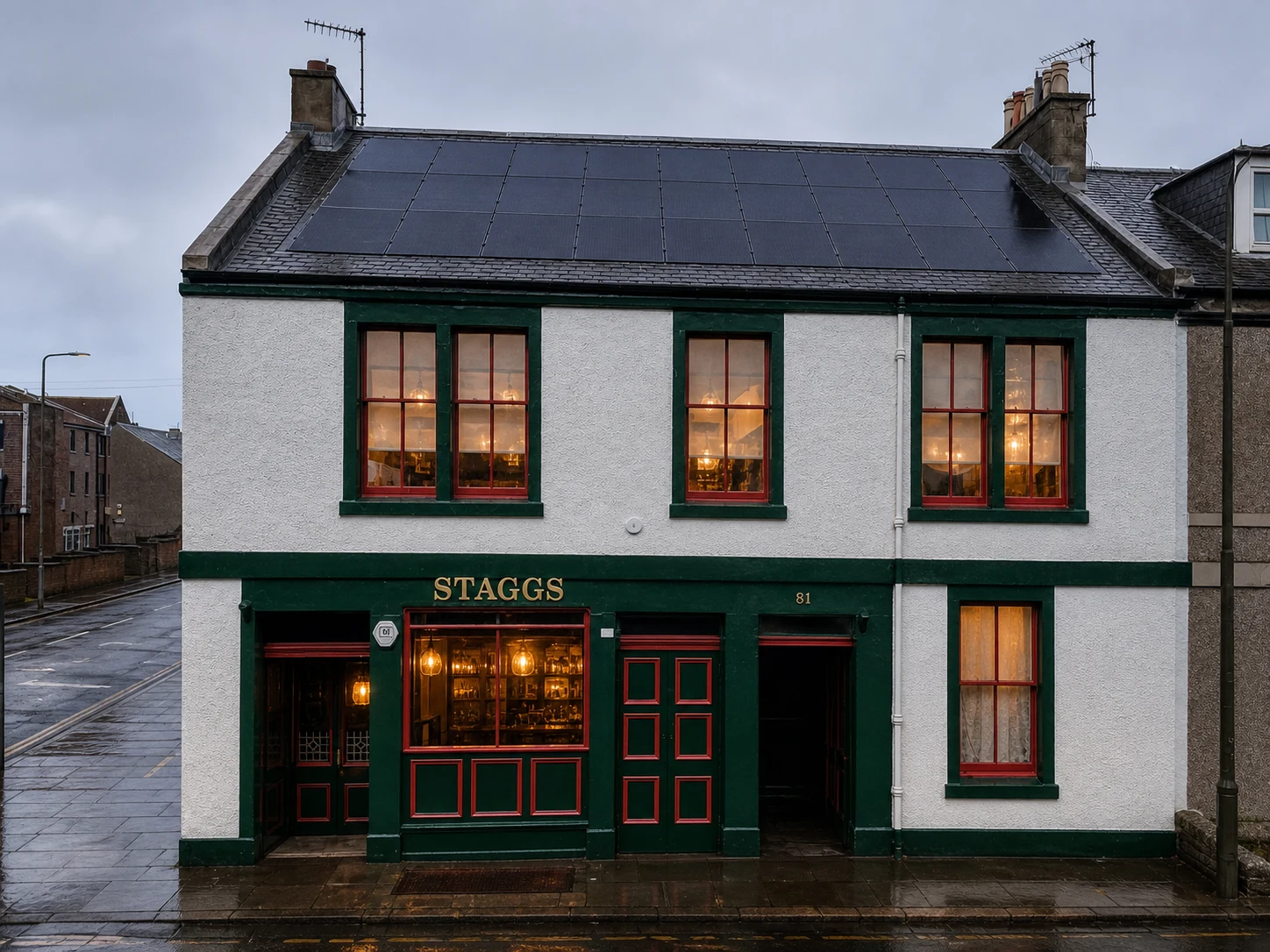
Also known as Staggs
A nationally important Victorian pub interior that doubled for two fictional Dept. Q bars.

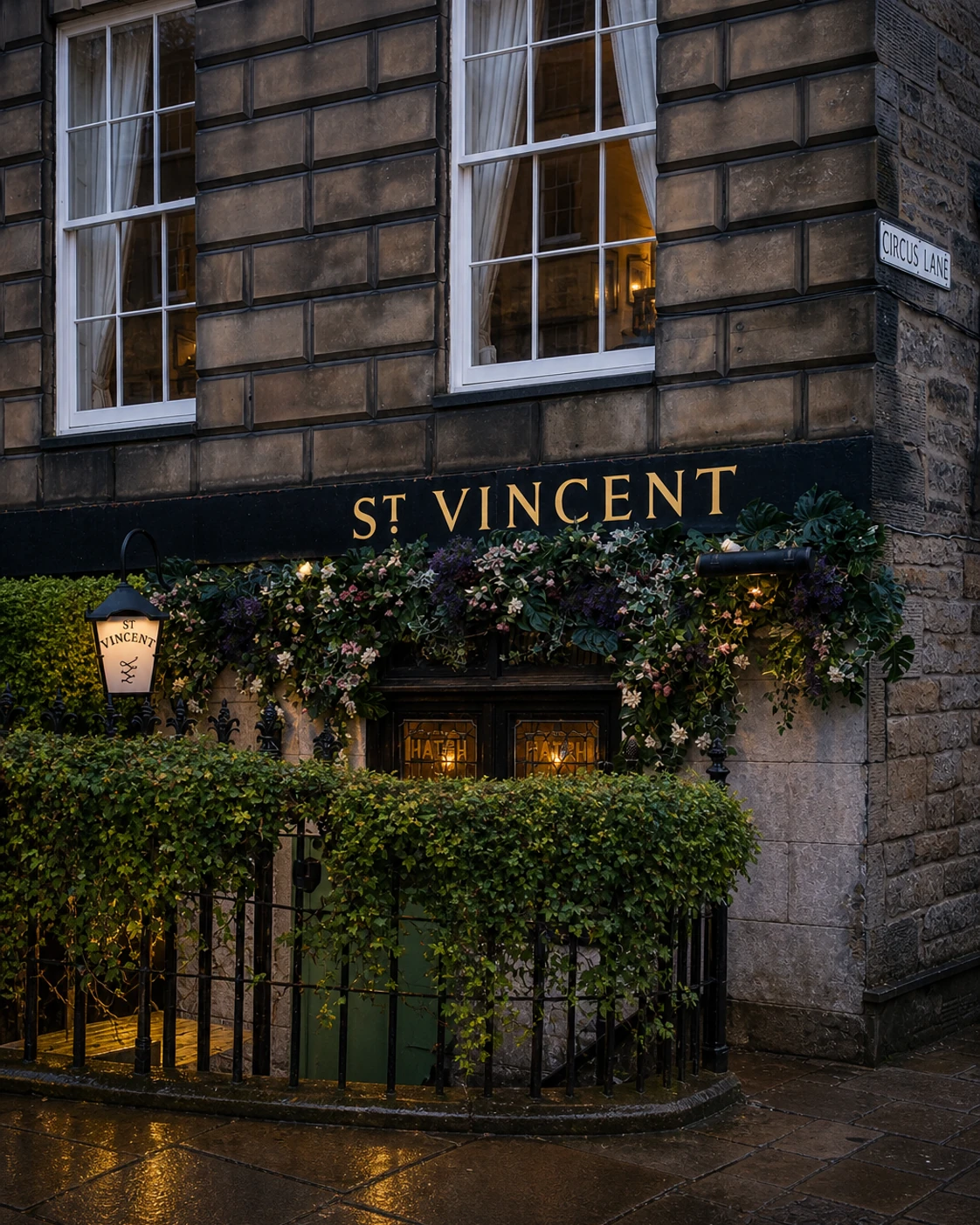
Also known as The Vinnie
A flower-framed basement bar at Circus Lane, with stained glass, a wooden gantry, cask ale and a notably compact traditional room.

A tiny, weathered bar packed with antiques, careful woodwork, four changing casks and an upstairs overflow room reached from a tightly managed main bar.