Leslie's Bar
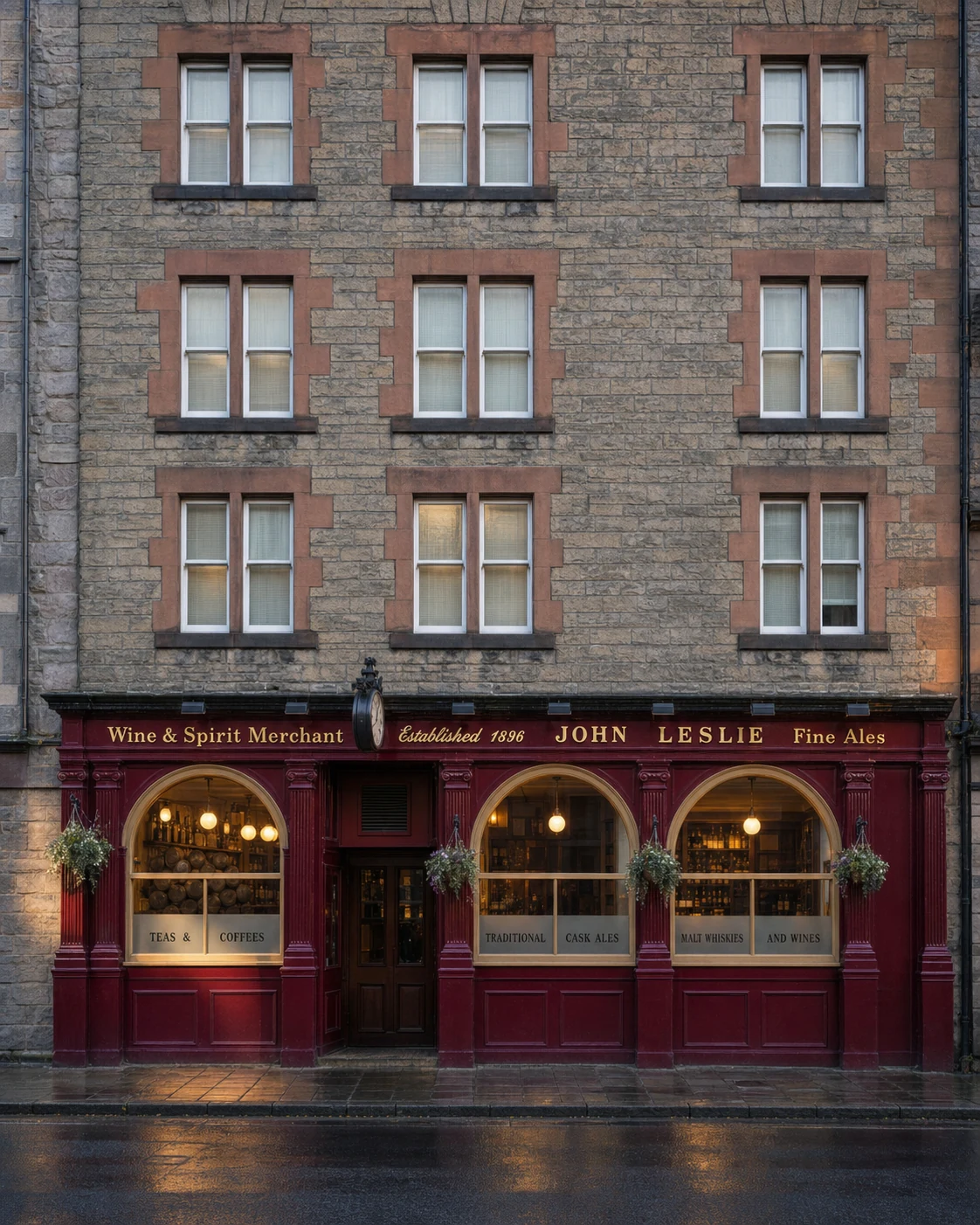
Also known as John Leslie
A Category B listed interior of 1899 built around a long island bar, where leaded glass snob screens and small ticket window hatches let lounge drinkers order without being seen from the public bar.
Explore Edinburgh pubs collected for their historical connections, surviving details and researched stories. The entries distinguish firm evidence from tradition instead of turning disputed dates into an oldest-pub league table.
Building age, licensing history and the date of the current business are not interchangeable. Read the evidence behind each claim.
Start with what you would like to notice: decorative interiors, a compact traditional room or the layers of a much older site. The building, the bar fittings and the present business can have different dates.
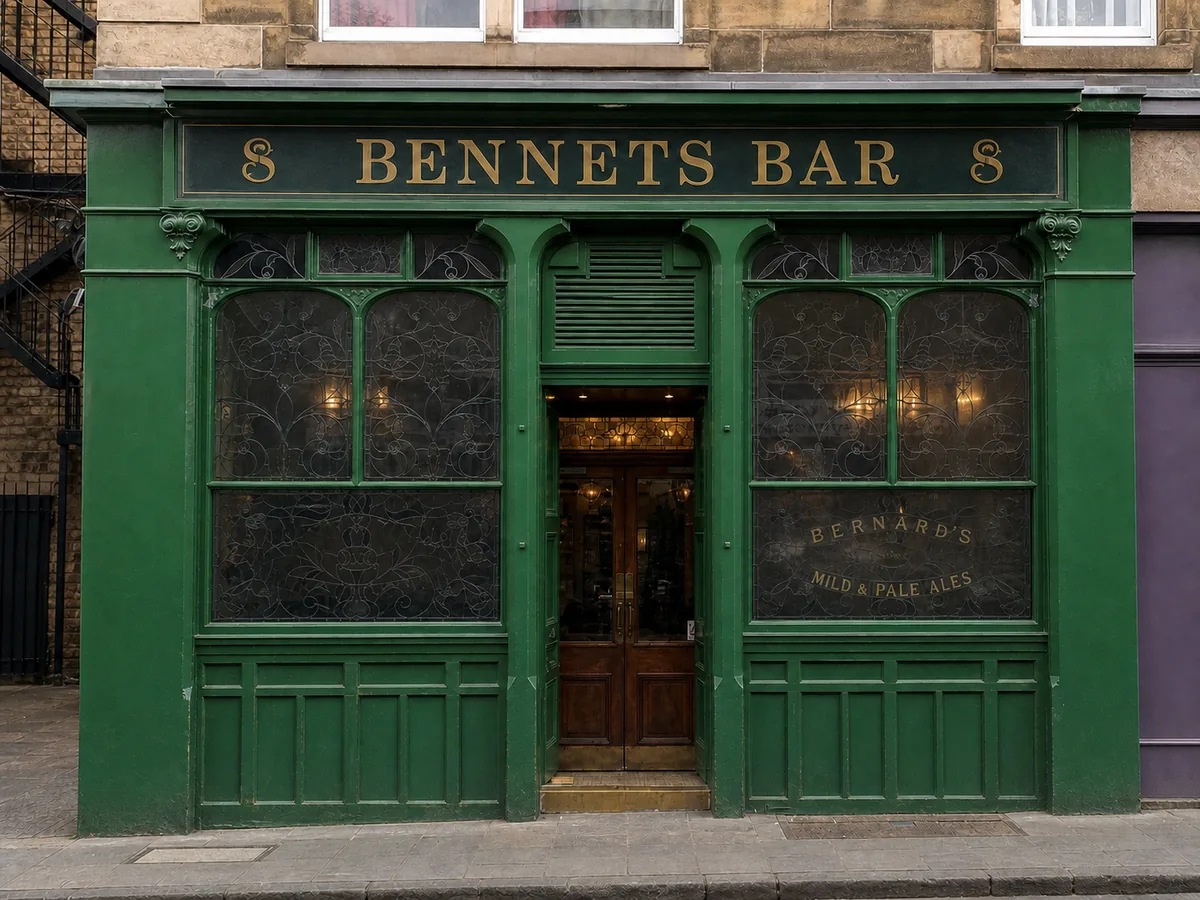
Café Royal, Bennets Bar and the Abbotsford offer different rooms to compare. Read the individual stories for the surviving features and their evidence, then choose a short visit rather than trying to cover the whole collection.
Choose nearest-to-me to compare distances. Location is optional and is requested only when you tap the button.

Also known as John Leslie
A Category B listed interior of 1899 built around a long island bar, where leaded glass snob screens and small ticket window hatches let lounge drinkers order without being seen from the public bar.

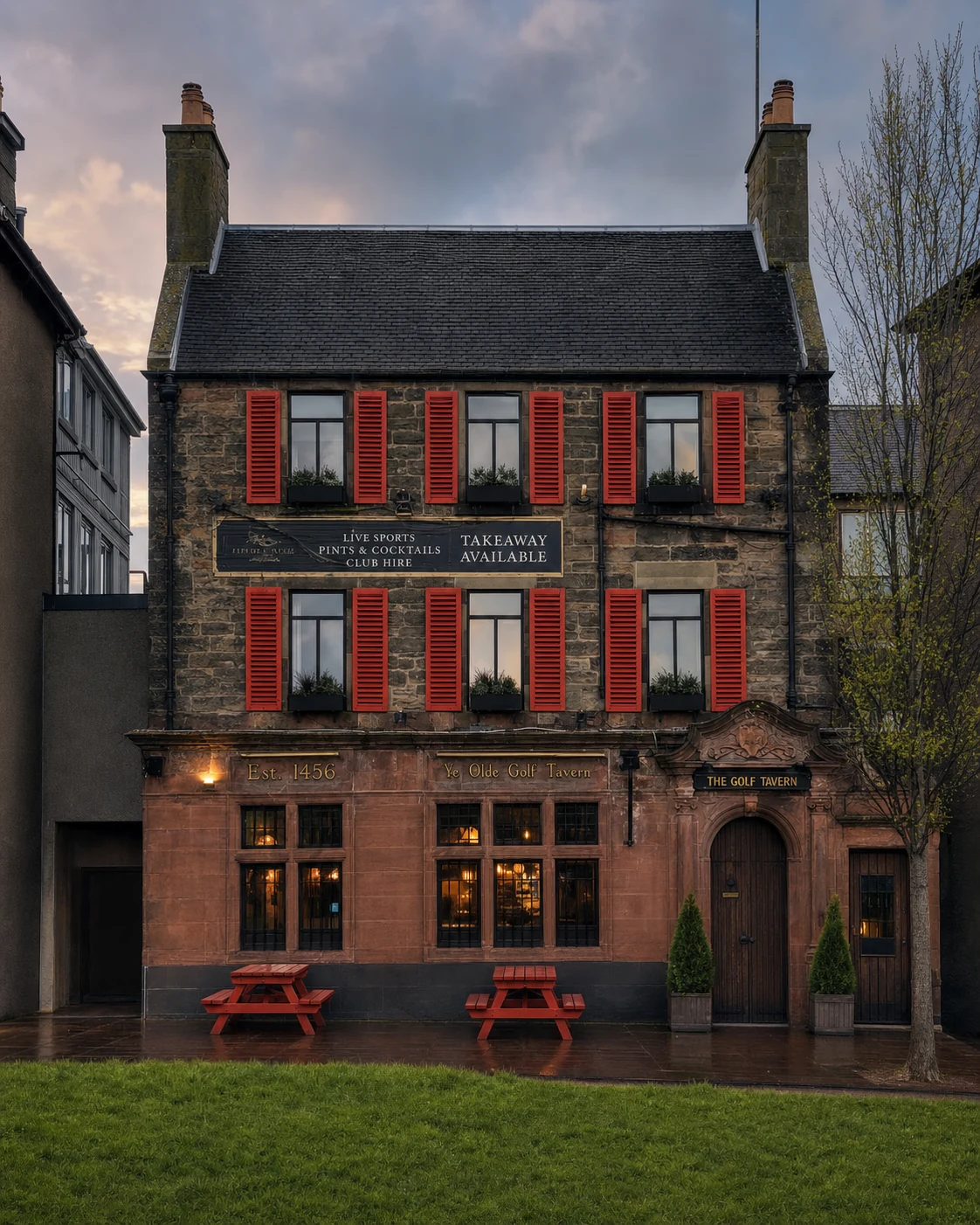
Also known as Ye Olde Golf Tavern
Golfers kept a clubhouse in this tenement from 1852. The brewers who turned it into a pub in 1898 renamed it Ye Olde Golf Tavern and added the unproven date of 1456.

Also known as Deacon Brodie’s Tavern
A literary-legend pub with a remarkably intact Old Town façade, where Stevenson’s Brodie connection needs a careful telling.

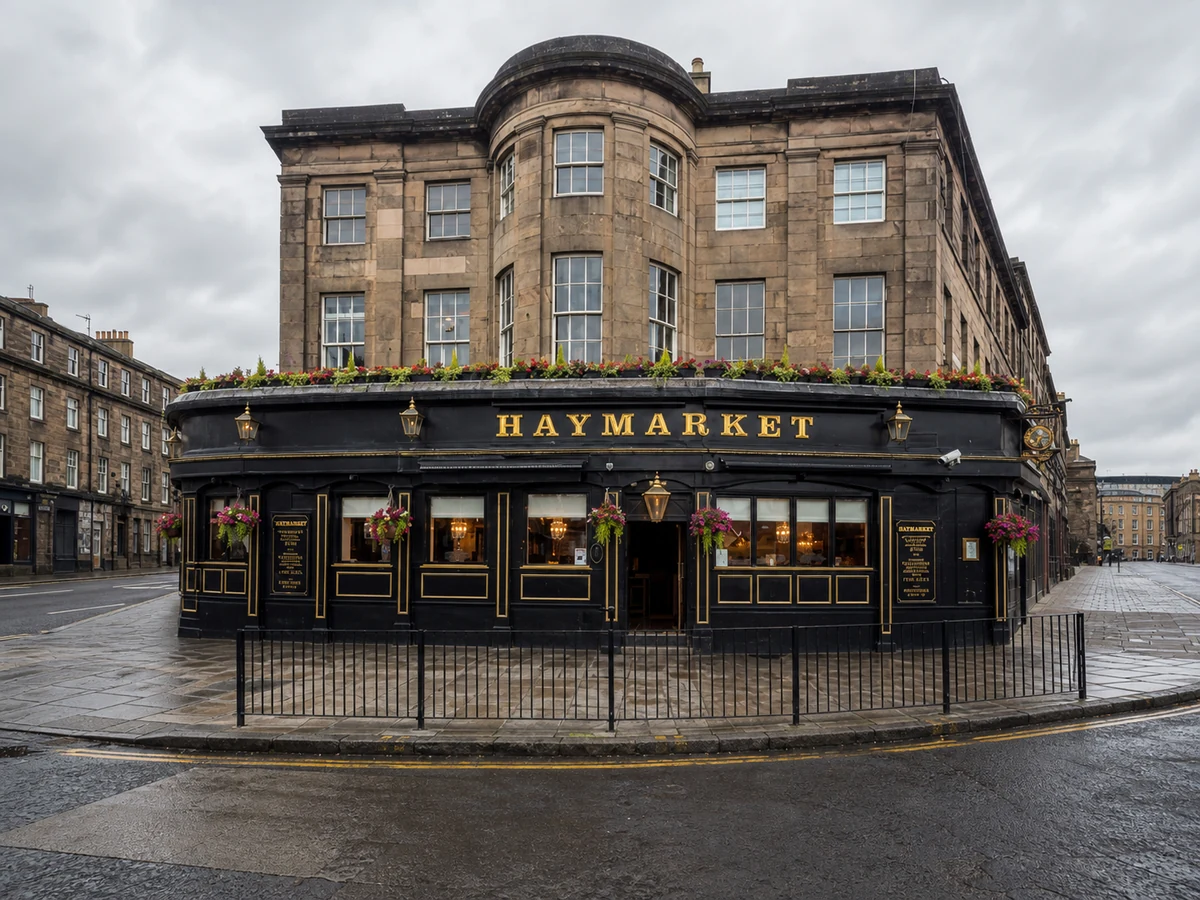
A real-ale pub at the crossroads where the old hay market met Edinburgh’s first railway station.

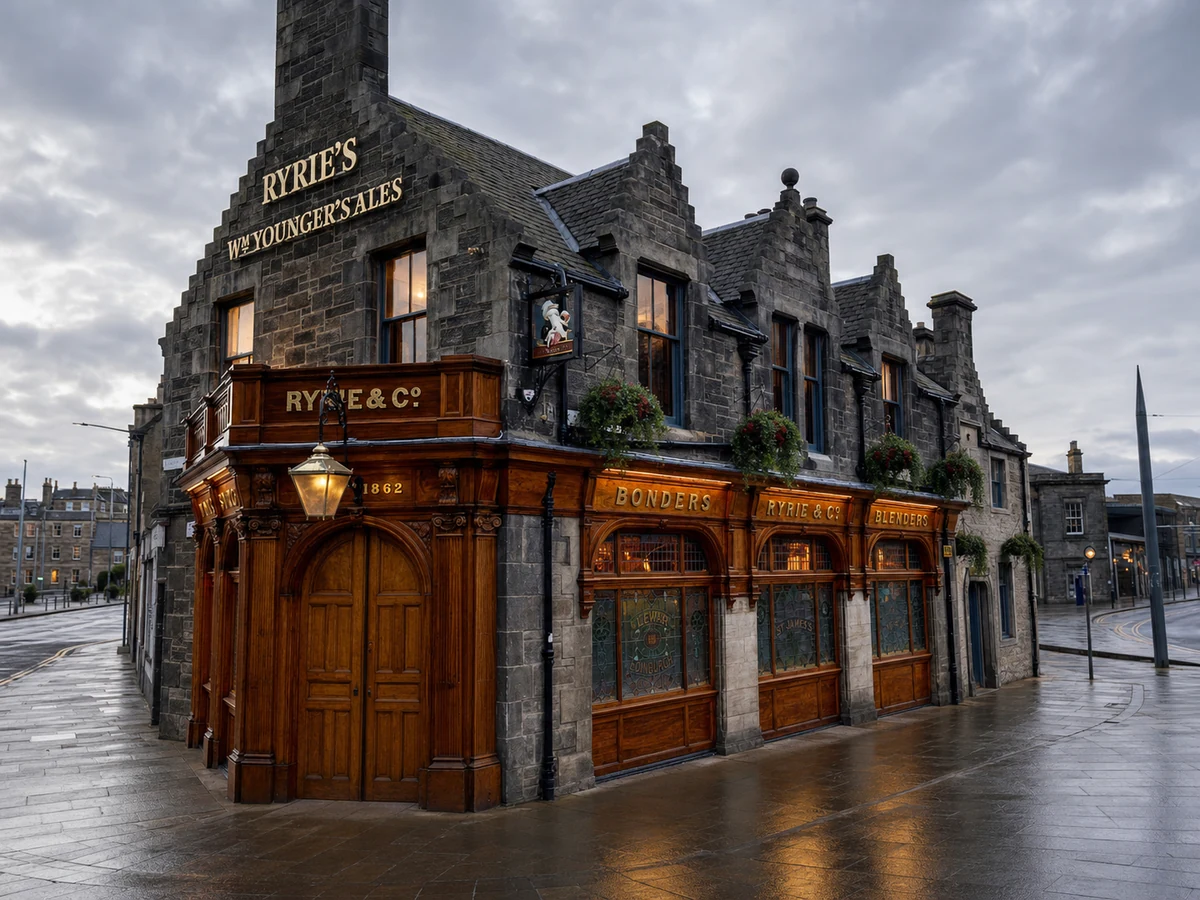
Also known as Ryrie's Bar
An Edwardian Haymarket public house with teak frontage, stained glass and a remarkable documented timeline.

A listed, multi-level Grassmarket pub with a big rear garden and Castle-facing setting.

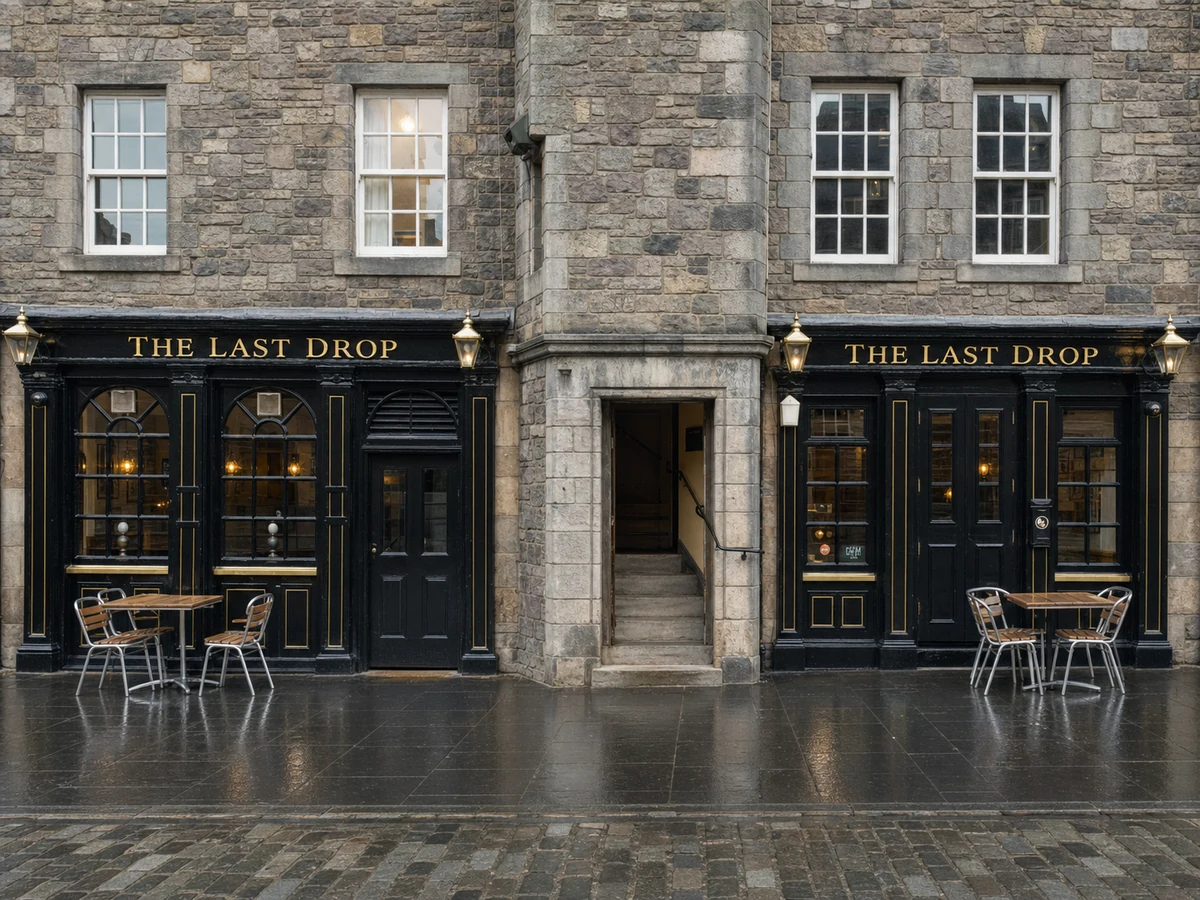
A Grassmarket pub with an explicitly labelled gallows-era name, beneath Castle Rock.

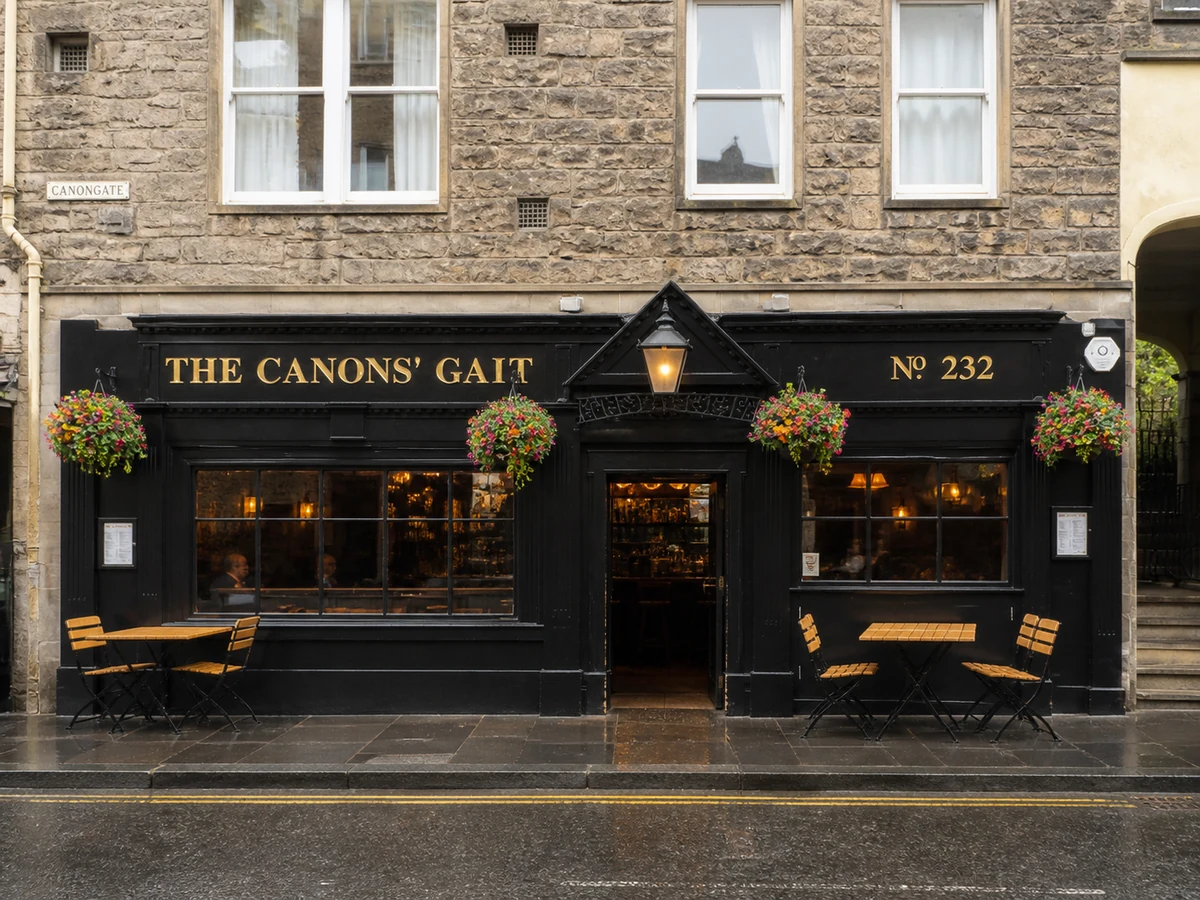
A two-level Canongate pub whose name points back to Holyrood’s canons and their route into Edinburgh.

An Edinburgh pub where etched glass, numbered drinking traps and a tiny jug bar still explain how a compartmented local once worked.

Behind the circa-1900 Classical frontage, an 1880 skittle alley and a disputed sequence of Edwardian and 1930s bar fittings complicate the 1360 tradition.

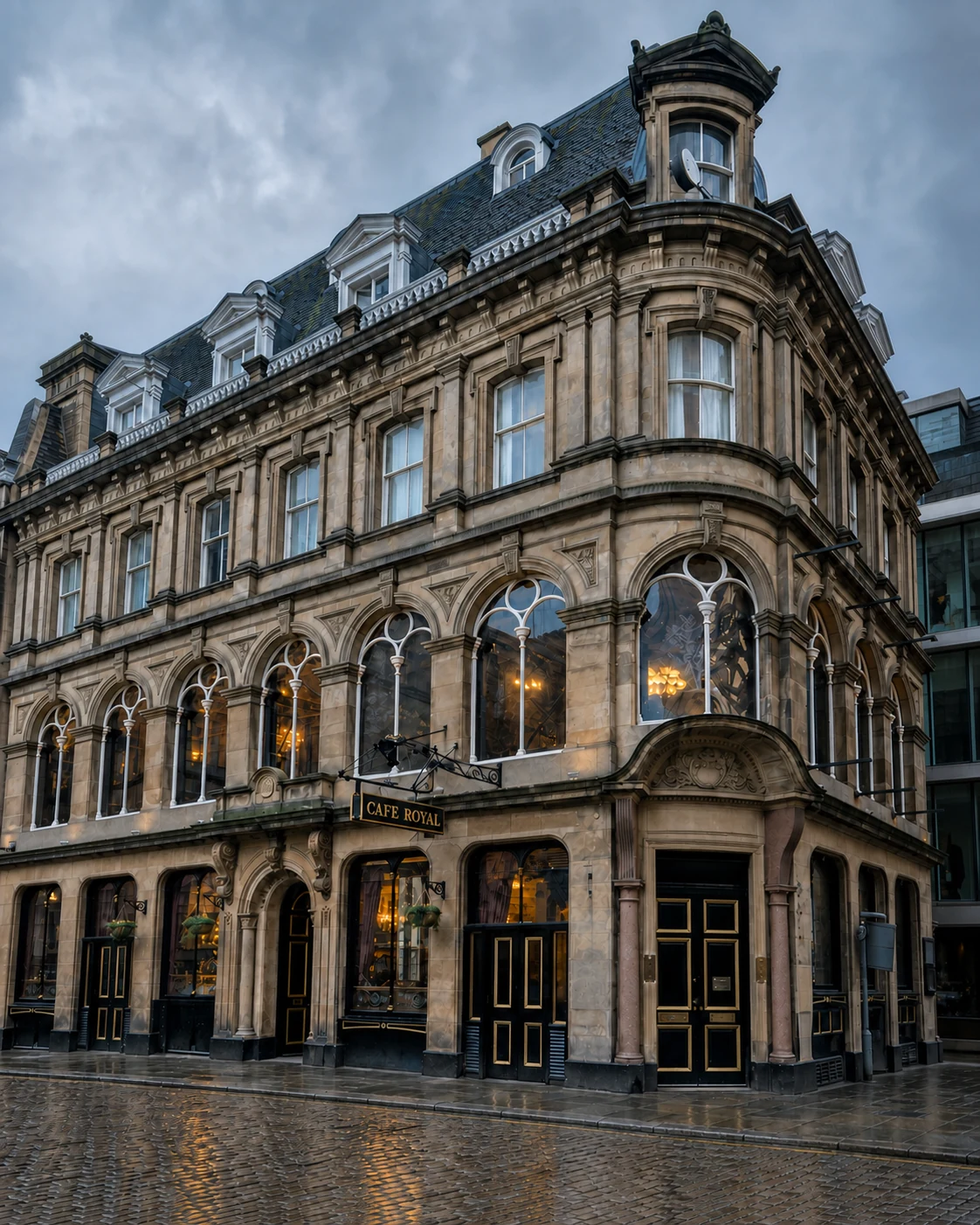
Also known as Cafe Royal
Planned as a gas-fitting showroom, the 1861 building was Café Royal Hotel by 1863; its 1900-01 scheme incorporated Doulton inventor panels and, in the Oyster Bar, eight stained-glass sports windows.

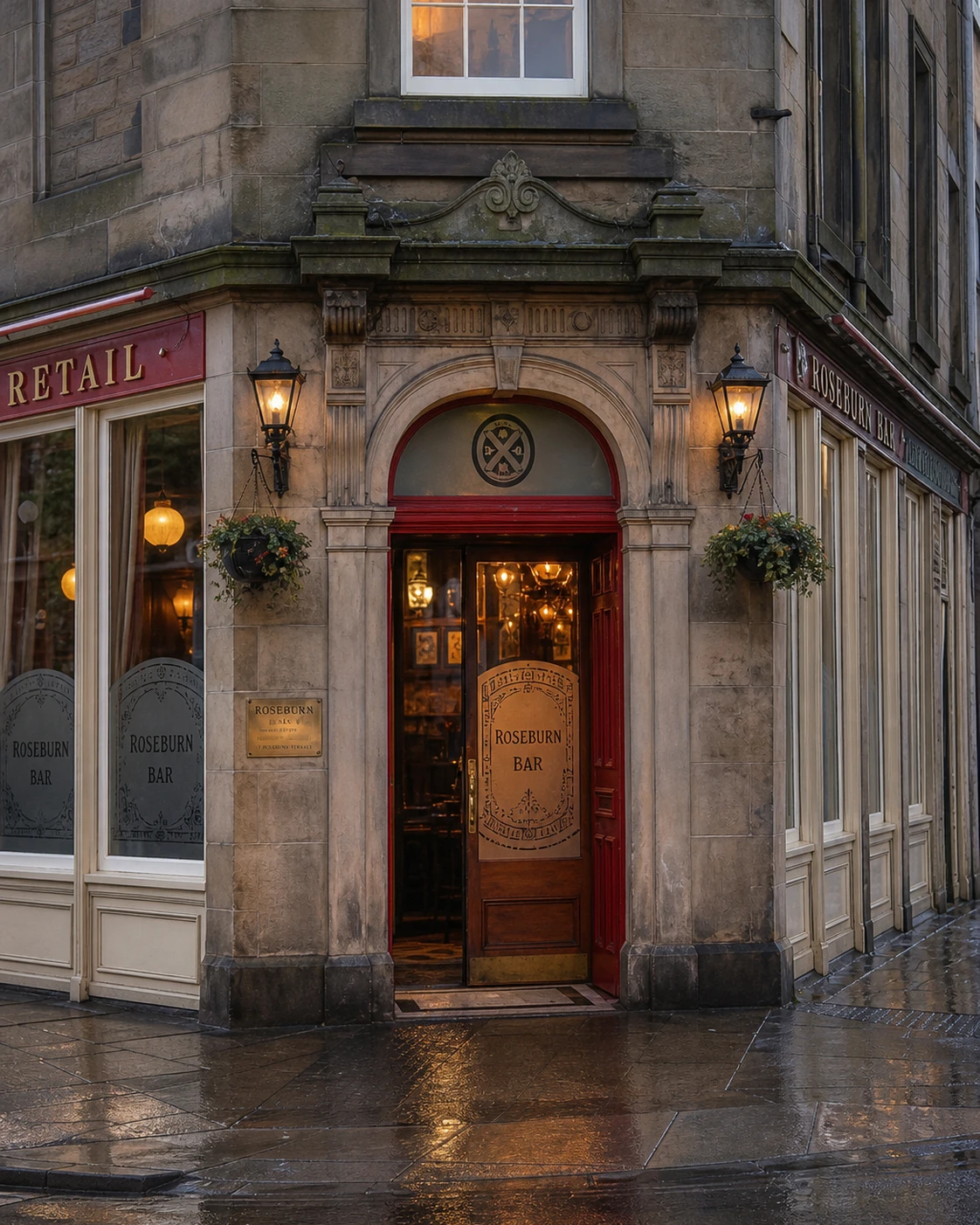
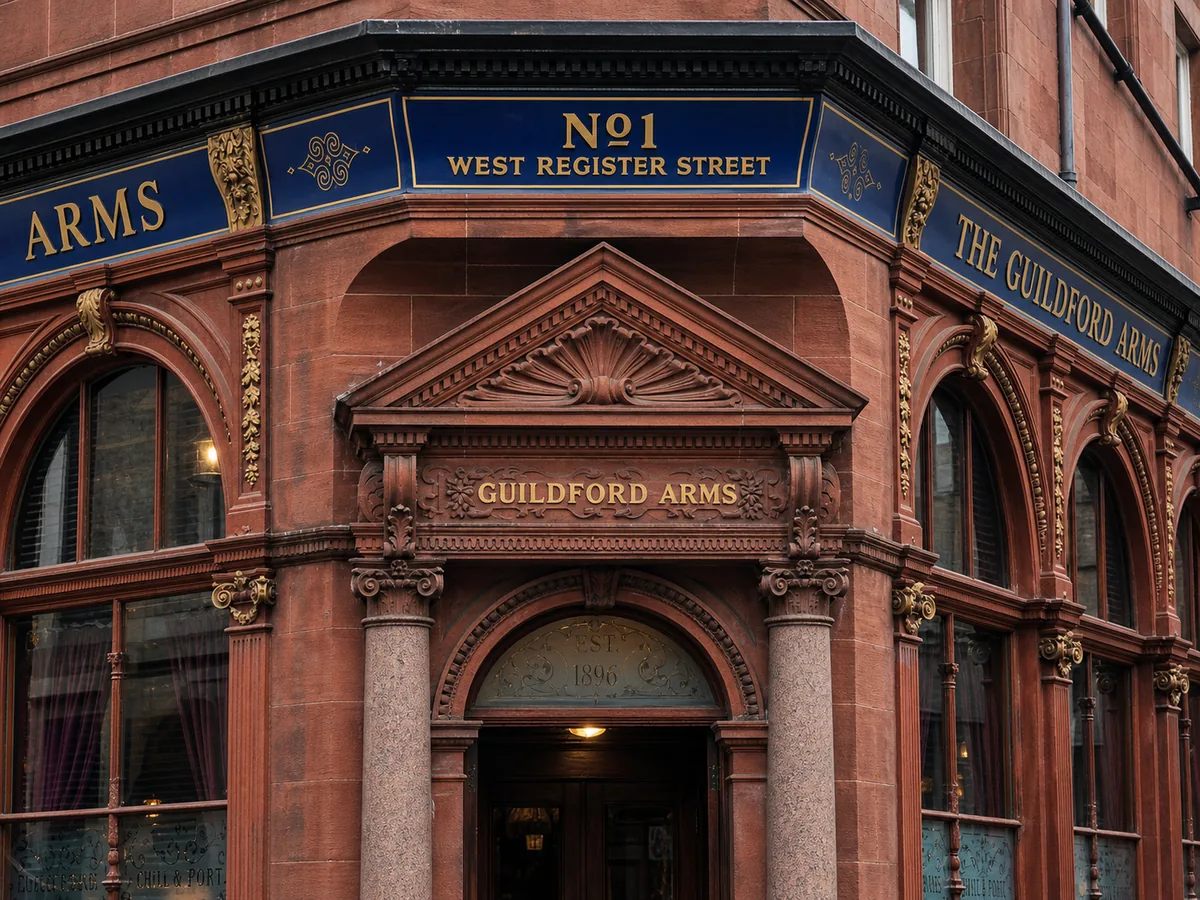
Behind red-lined stucco. Not red sandstone. A circa-1800 corner shell rebuilt in 1895-96 holds a double-height 1896 interior and an unresolved ownership story.

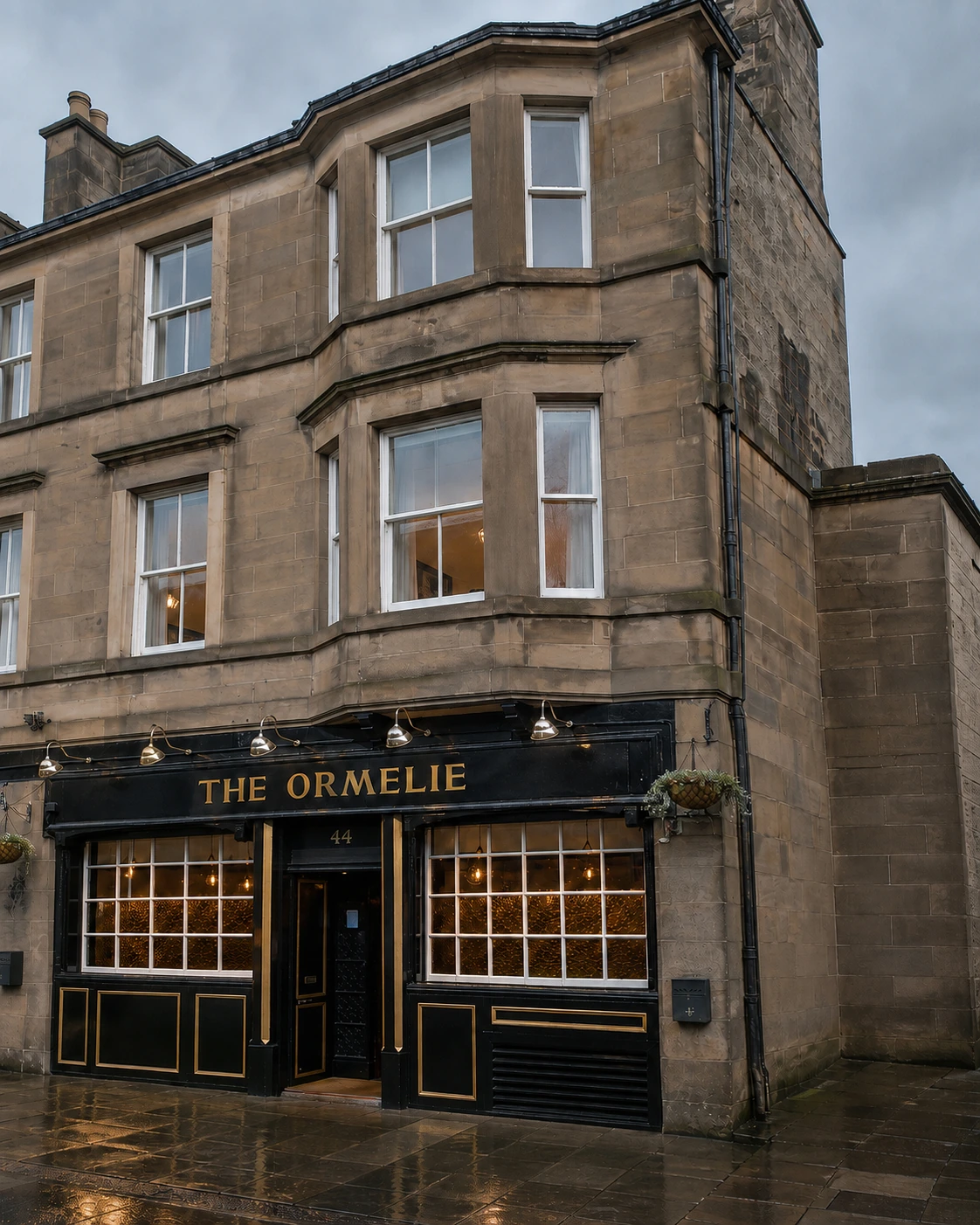
Also known as The Ormelie Tavern
A Joppa tenement pub with a carved gantry, two surviving snugs and a whisky-lined bar. Its former licensee also figures in a milestone for women in Edinburgh’s licensed trade.

Also known as The Abbotsford
At 3-5 Rose Street, a 1902 Henderson pub preserves a mahogany island servery beneath a compartmented Jacobean Revival ceiling.

George Lyle's 1891 bar and 1906 alterations survive in gilded glass, painted tile, a rare jug bar and Edinburgh's last original four-cask gantry.